
Slate is one of the most durable roof coverings you can own. A well-laid Welsh or Scottish slate roof will often outlast the people who fitted it, and it does so without asking for much. Durable, though, is not the same as maintenance-free. Slates slip, nails corrode, moss traps water, and a lead flashing that was watertight last spring can be quietly failing by autumn. The trick is to stop waiting for a brown stain on the bedroom ceiling. Fifteen minutes with a pair of binoculars, four times a year, will catch most problems while they are still small, cheap and easy to put right.
Safety first, and the kit that makes it quick
Never walk on a slate roof. Slates are brittle, the surface is unforgiving, and a misplaced boot can crack several at once while sending you somewhere you do not want to go. Everything below is designed to be done from the ground.
Binoculars are the single best tool you own for this job. Add a notebook or a phone camera with zoom, a torch for the loft, gloves, a hand scoop for gutter debris, a bucket and an old dust sheet to catch the mess.
If you use a ladder, it goes on firm, level ground, footed by someone else, angled roughly one out in four, and never leaning against the gutter or the slates themselves. Anything above gutter level is a job for a competent roofer. Before you book, ask how they will work safely at height and check that they carry insurance.
Spring: the post-winter inspection
Frost, wind and driving rain do the damage. Spring is when you find out what it cost you. Walk the whole perimeter of the house, front and back, and take your time.
On the slopes
Look for slates sitting out of line with their neighbours, gaps where a slate has gone, and dark or pale patches that suggest a slate has slipped out of sight or a repair has been attempted. Check the ridge and hips, the verges at the gable ends, and the area around the chimney stack, where most leaks begin. Lead flashings should sit flat and tight; mortar fillets should not be cracked or crumbling. If you have just had a storm and there is slate on the ground, keep it. Reclaimed slates are far easier to match when you already have some.
Inside the loft
Take a torch up and look for daylight between the battens, water marks on rafters, damp patches on the underside of the felt, and staining on chimney breasts. Smell matters too. A musty loft in spring usually means water has been getting in over the winter. Check ceilings in the top rooms for faint rings or a slight bulge in the paint.
Summer: the best window for repairs
Warm, dry weather is when repairs behave themselves. Mortar and sealants cure properly, slates are less brittle, and roofers are quieter than they will be in October. If you have been putting off a job, this is the season to get it done.
Cracked or missing slates should be replaced with matching reclaimed slate of a similar size and thickness, hung the same way as the originals. Repointing a ridge or hip in the summer gives the mortar the best chance of lasting. On older properties, though, hard cement mortar can do more harm than good; a lime-based mix is often the right answer, and this is where a conservation-accredited roofer earns their fee. If your home is listed, or sits in a conservation area, check with your local planning authority before changing roof materials. And never pressure-wash a slate roof.
Autumn: clear, secure, prepare
Once most of the leaves are down, usually late November, clear the gutters, valleys, hopper heads and outlets. Water that cannot escape will find its way into the roof structure instead. While you are up there, check gutter brackets and look for sagging runs or joints that have pulled apart.
Then check everything that could come loose in a gale: aerials, satellite dishes, chimney pots, coping stones, and any loose flashing around dormers or soil vent pipes. Finally, look at the eaves from inside the loft. Insulation pushed hard into the eaves blocks ventilation, and the condensation that follows is often mistaken for a leak.
Winter: watch, don't climb
After a storm, inspect from the ground and resist the urge to go up. Ice makes a slate roof genuinely dangerous, and climbing it in winter is how minor repairs turn into major ones.
Do not try to clear snow. You risk cracking slates and falling, and on most UK roofs the load is not the problem. If you are worried about an old or already weakened roof under heavy snow, call a professional rather than improvising. Keep an eye on ceilings through freeze-and-thaw spells, when small gaps open and close, and note where any drip appears so you can point a roofer to the right place.
Keep a simple roof record
A written record turns guesswork into a history, and it is worth far more than it takes to keep. Note:
- the date, the weather and how long you spent looking;
- what you checked and what you saw, in plain language;
- photographs taken from the same few spots each time, so changes are obvious;
- any repair, who did it, when, what materials were used, and the invoice;
- anything you have decided to keep an eye on rather than fix now.
This is the file you reach for when a leak appears in an odd place, when you make an insurance claim, or when a buyer's surveyor starts asking questions.
Making the habit stick
A slate roof rarely fails all at once. It fails one slipped slate, one blocked valley, one cracked flashing at a time, over years. Spread the work across the calendar and it never feels like a chore:
- Spring — full walk-round, inside and out, after the worst of the weather.
- Summer — book repairs, replace damaged slates, repoint if needed.
- Autumn — clear gutters and valleys, secure anything loose, unblock the eaves.
- Winter — watch from the ground, note any drips, leave the ladder alone.
Put two dates in the diary: one in March, one in late October. Then find a roofer you trust before you need one, because the best time to choose someone is when nothing is leaking. If your roof is steep, more than two storeys, or showing signs of structural movement, bring in a professional rather than working it out yourself. A slate roof that is looked at four times a year will quietly get on with its job for decades. One that is ignored tends to introduce you to a stranger with a ladder and an opinion.
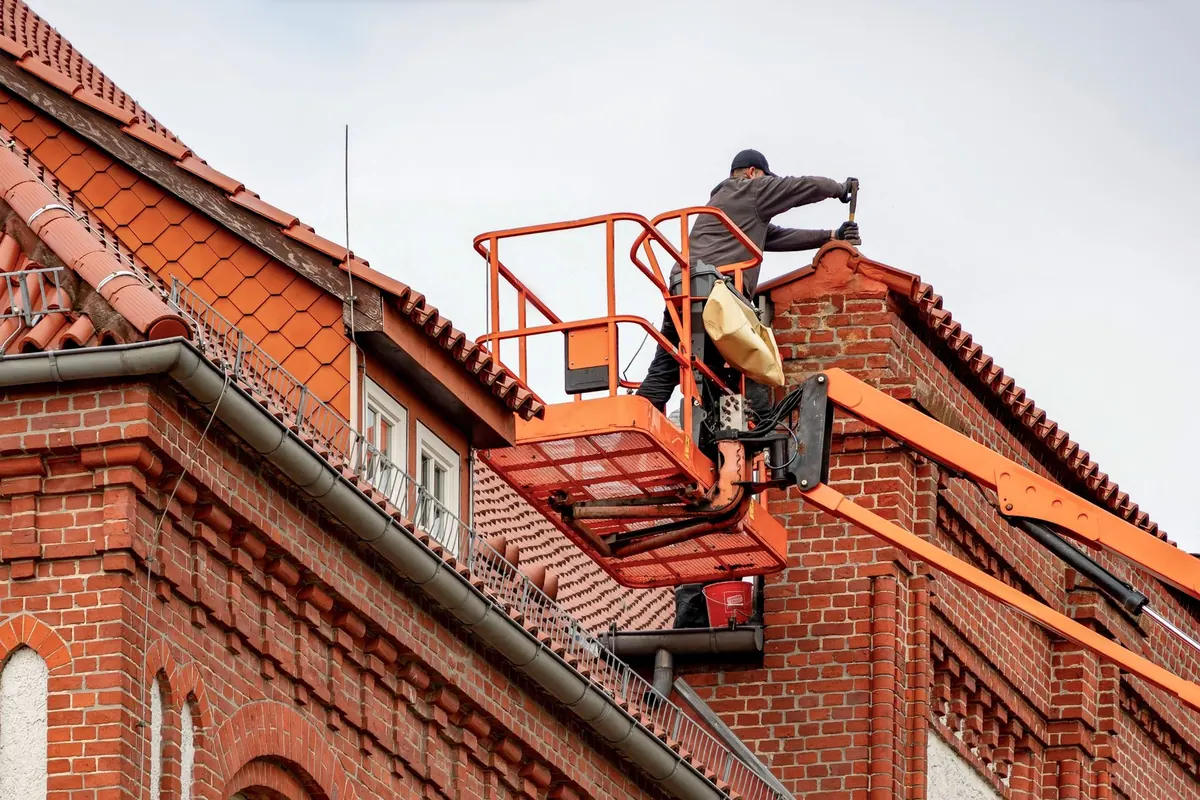
Photo: Gundula Vogel / Pexels